
incredible discovery
November 2, 2025

Watch movie:

*Hosted on partner site
Greenland’s Glacial Leviathan: Unearthing the Arctic’s Lost Marine Giant 


Amid the icy silence of Greenland’s glacial frontier, a breathtaking discovery has emerged — a colossal marine reptile fossil, possibly a plesiosaur, unearthed from beneath the permafrost after lying entombed for over 100 million years. In a deep trench carved into ancient rock and ice, a team of paleontologists in yellow protective suits works with surgical precision, brushing away sediment from bones the size of tree trunks.

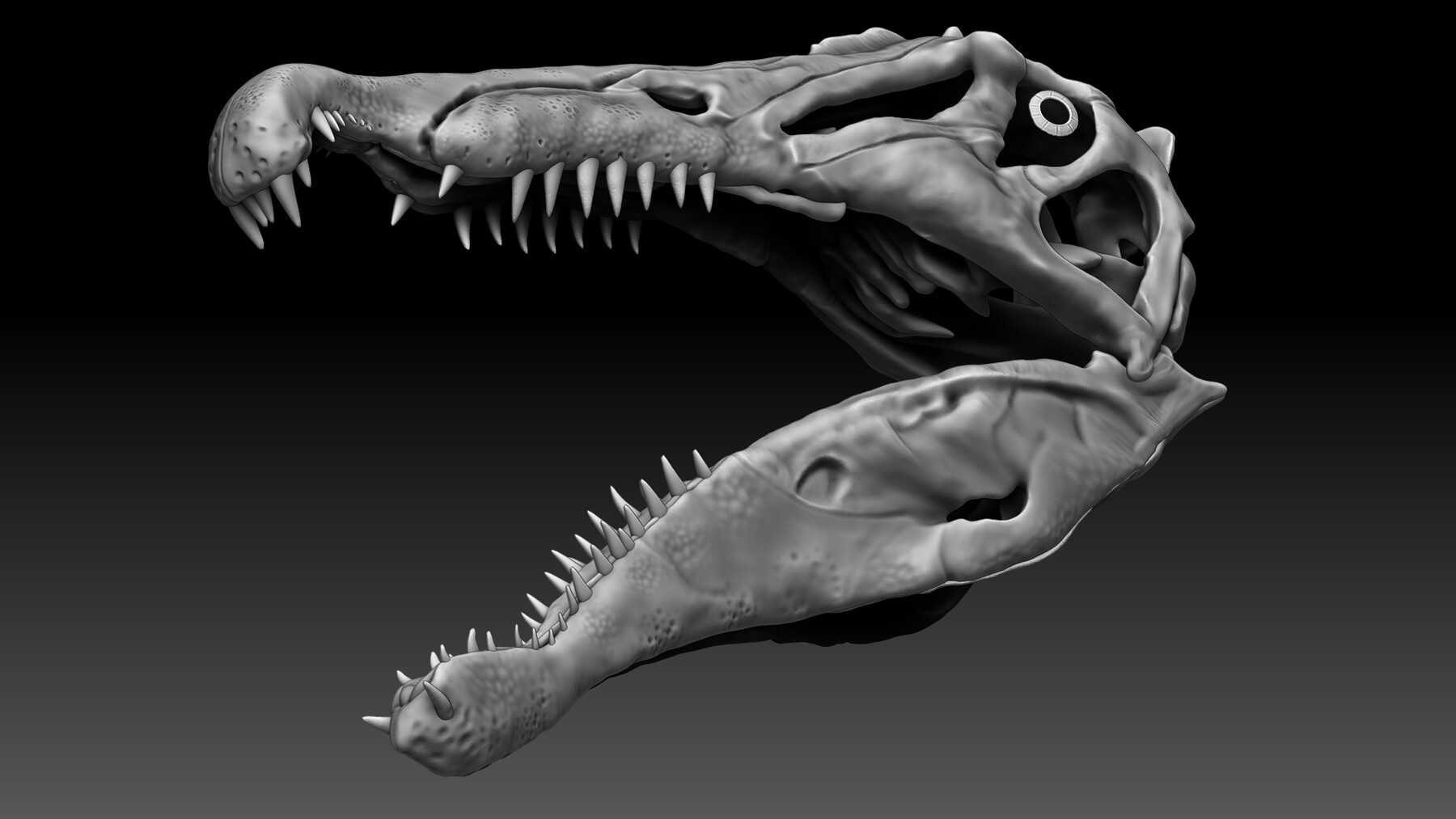
The image captures the contrast between life and desolation: the fiery hues of an Arctic sunset blaze across the sky, casting long shadows over the excavation site, while a towering glacier looms in the background — a frozen witness to a lost age of leviathans.

Early analysis suggests that this “Glacial Leviathan” may have once ruled the polar seas during the Late Cretaceous, gliding through frigid waters that teemed with ammonites, fish, and other prehistoric creatures. Its elongated neck and massive flippers indicate a creature built for stealth and power — a predator perfectly adapted to the primeval oceans of the north.
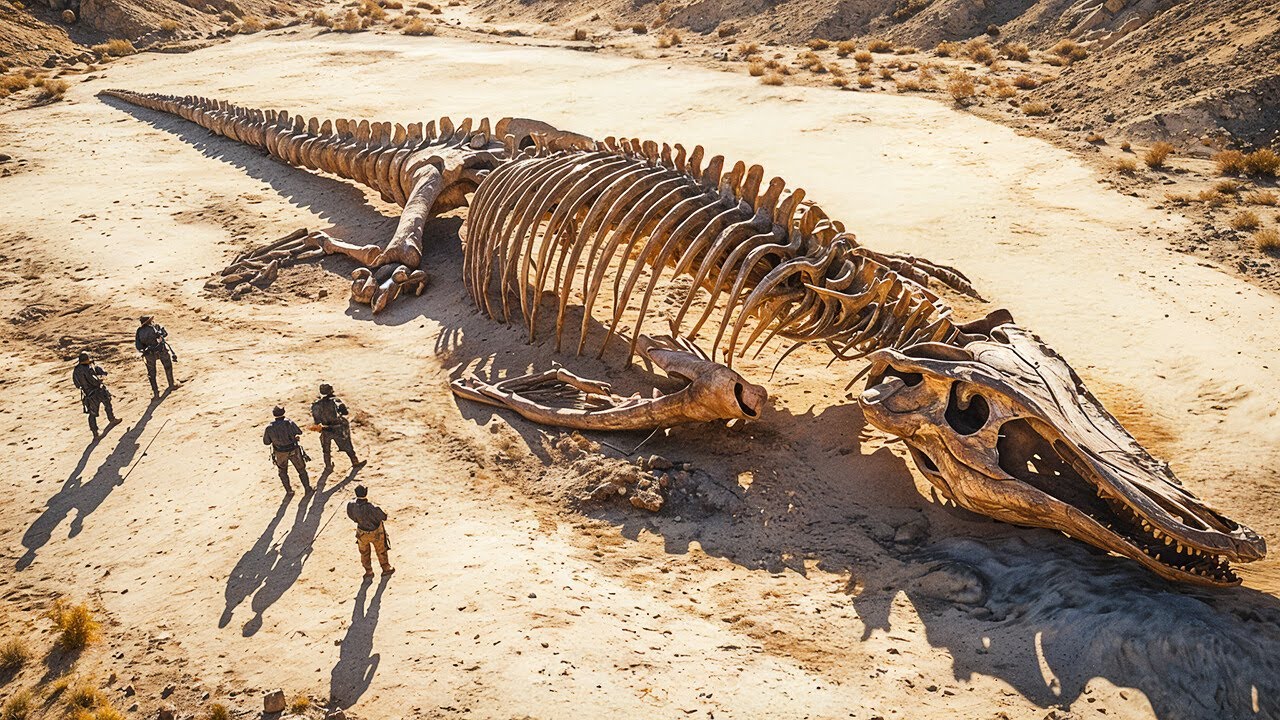
The find not only expands the known range of these marine reptiles but also opens a new chapter in Arctic paleontology, hinting that Greenland’s icy crust may conceal many more secrets of prehistoric life.
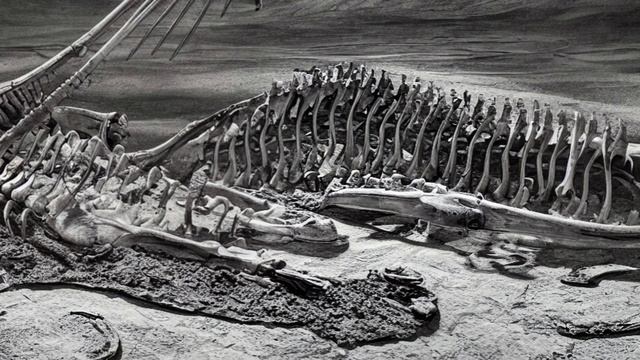
As the team continues to excavate the fossil — layer by layer, bone by bone — one question chills the air like the Arctic wind: how many giants still sleep beneath the glaciers, waiting for the thaw to tell their story? 
