
PREDATOR: WARZONE (2025)
November 3, 2025

Watch movie:

*Hosted on partner site
Predator: Warzone (2025) – When the Hunters Become the Hunted
There are no heroes in the jungle anymore.
Predator: Warzone (2025) marks a brutal rebirth of one of cinema’s most terrifying legacies. It’s not just a sequel — it’s a full-scale war between species, a descent into chaos where survival is no longer a skill… it’s a curse.
The Return of the Hunter
After the critical success of Prey (2022), director Dan Trachtenberg returns to helm Warzone, a film that takes the Predator mythos to its most explosive frontier yet. Set in 2089, decades after humanity has discovered evidence of Yautja (Predator) technology, the world is on the brink of collapse.
Corporations have weaponized alien tech, turning war into a science — and Earth into a battlefield. But the ultimate mistake comes when a secret military faction known as Project Falcon awakens something they can’t control: an ancient clan of Predators bred for one purpose — extermination.
From the scorched deserts of Nevada to the frozen ruins of Alaska, Warzone spans the globe, transforming the planet itself into a hunting ground.
And this time, they’re not coming for sport. They’re coming for war.
The Human Side of the Hunt
The film’s protagonist, Captain Mara Vance (played by Emily Blunt), is a war-hardened ex-soldier haunted by the loss of her squad in a failed Predator encounter years earlier. Now leading an anti-Yautja strike force, she must team up with Dr. Elias Stone (Pedro Pascal) — a xenobiologist obsessed with decoding the Predators’ hunting codes.
Their uneasy alliance becomes the emotional heart of the film. Blunt brings both fire and fragility to Mara — a soldier scarred by survival, forced to confront her trauma in the face of extinction. Pascal, meanwhile, delivers a quiet intensity, his intellect clashing with her instinct. Together, they represent the duality of humanity — mind and muscle, reason and rage.
As the war escalates, they uncover a horrifying truth: Earth isn’t just another hunting ground. It’s a breeding arena, chosen centuries ago. The Predators have been preparing for this — waiting for humanity to become worthy prey.
A World at War
Unlike previous installments confined to jungles or isolated outposts, Warzone unleashes the chaos on a global scale. The movie unfolds across shattered war zones — abandoned cities, scorched forests, and underground colonies.
Each location serves as a chapter in the war. In one breathtaking sequence, Predators infiltrate a snow-covered military base during a whiteout blizzard — invisible to both radar and human eyes. Another standout moment takes place in a crumbling Tokyo megacity, where human soldiers use Yautja cloaking tech against their creators — leading to a dizzying cat-and-mouse chase through neon-lit ruins.
The world design feels lived-in, broken, and real. Smoke, ash, and blood color every frame, turning Earth into a living wound.
Director Dan Trachtenberg said in an interview: “It’s not about watching the Predator hunt. It’s about what happens when humanity fights back — and realizes it’s already lost.”
The Predators Evolve
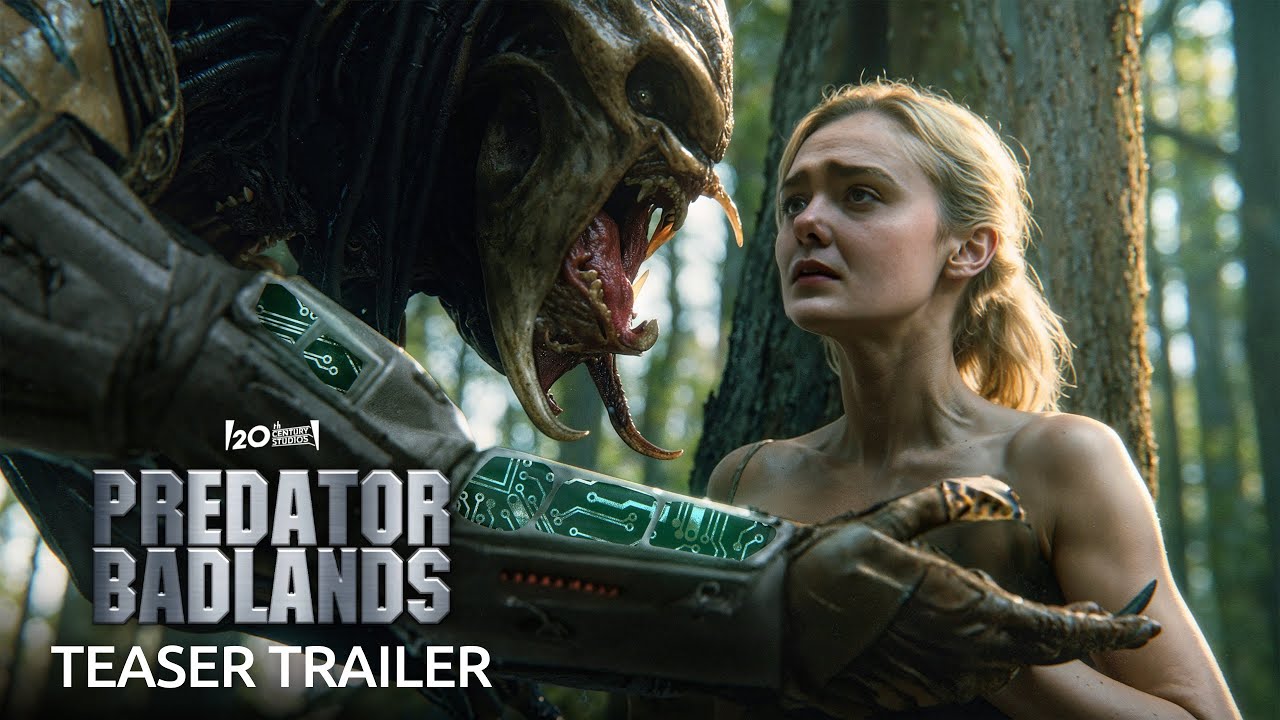
Predator: Warzone introduces a terrifying new breed: the Elder Warlords, ancient Yautja leaders who command entire hunting packs. These aren’t lone killers; they’re tacticians — organized, strategic, and ruthless. Their armor is biomechanical, fused with organic tissue, and their weapons evolve mid-battle, adapting to human countermeasures in real-time.
The film’s central creature, nicknamed The Harbinger, is said to be the oldest living Predator — one who has survived thousands of hunts. Standing nearly three meters tall, its design blends the primal ferocity of the original 1987 Predator with futuristic armor carved from alien bone. Its presence on screen is pure nightmare — silent, deliberate, unstoppable.
Practical effects meet cutting-edge CGI, restoring the tactile horror that defined the original films. Every roar, every shimmer of invisibility feels grounded in terrifying reality.
Themes: War, Survival, and Evolution
Beyond the carnage, Warzone asks uncomfortable questions:
What happens when humanity becomes the monster?
How far will we go to survive — and at what cost?
The film blurs the line between prey and predator, suggesting that the real enemy may no longer be alien at all. When humans begin to mirror the Yautja — using their weapons, rituals, and even trophies — the boundary between hunter and hunted disappears.
Mara’s character arc embodies that descent. Her final confrontation with The Harbinger isn’t just physical — it’s existential. She realizes that victory isn’t survival. It’s refusal — refusal to become what you fear.
The Climax: Hell on Earth
The film’s final 30 minutes are a relentless onslaught — a war symphony drenched in fire and despair. The setting: a decimated city turned Predator fortress. As human survivors launch one last assault, orbital ships rain plasma fire, tearing the night apart.
In the chaos, Mara faces The Harbinger in a burning cathedral. Their duel is brutal, intimate, and poetic — blades clashing in flickers of flame, both hunter and prey fighting for the right to exist.
When Mara finally drives a Yautja spear through The Harbinger’s chest, it triggers a self-destruct pulse that engulfs the entire warzone. In the film’s haunting final moments, she emerges alone into the dawn, bloodied but alive, as the Predator’s helmet — scorched and cracked — lies half-buried in the ash.
No victory roar. No music. Just silence.
Because in war, no one truly wins — they just survive.
Direction and Tone
Dan Trachtenberg directs Warzone with surgical precision. His pacing builds from stealth to chaos, from whisper to explosion. The tone is gritty, mature, and apocalyptic — more Saving Private Ryan than Alien vs. Predator.
Cinematographer Jeff Cutter (Prey, 10 Cloverfield Lane) paints every frame with oppressive realism. The color palette shifts from icy blues to molten oranges, symbolizing humanity’s descent into the inferno. The use of shadows is masterful — you never know if the Predator is there, but you always feel it.
Composer Bear McCreary returns with a score that blends tribal drums, distorted metallic sounds, and haunting choral chants. The music doesn’t glorify war — it mourns it.
Performances
Emily Blunt anchors the film with raw power. Her Mara Vance is not a superhero — she’s human, trembling, angry, and tired, yet unbreakable. Pascal provides the conscience, grounding the chaos with quiet moral clarity.
The supporting cast — including John David Washington as Falcon Commander Reeves and Jessica Henwick as sniper Mei Lin — brings depth and diversity to a film that could have easily drowned in spectacle.
But the real standout is the Predator itself — a character without words that still dominates every scene it inhabits.
Final Verdict
Predator: Warzone (2025) is a masterclass in escalation — a brutal, beautiful crescendo that restores fear and purpose to the franchise. It’s not a popcorn action flick; it’s a dirge for humanity, wrapped in gunfire and neon smoke.
Where earlier entries asked “Can we survive?”, Warzone asks “Are we still worth saving?”
It’s haunting. It’s relentless. It’s everything Predator was always meant to be — and more.
Rating: 9/10
Genre: Sci-Fi / Action / Horror
Directed by: Dan Trachtenberg
Starring: Emily Blunt, Pedro Pascal, John David Washington, Jessica Henwick
Studio: 20th Century Studios