
THE WOMAN KING (2022)
October 20, 2025
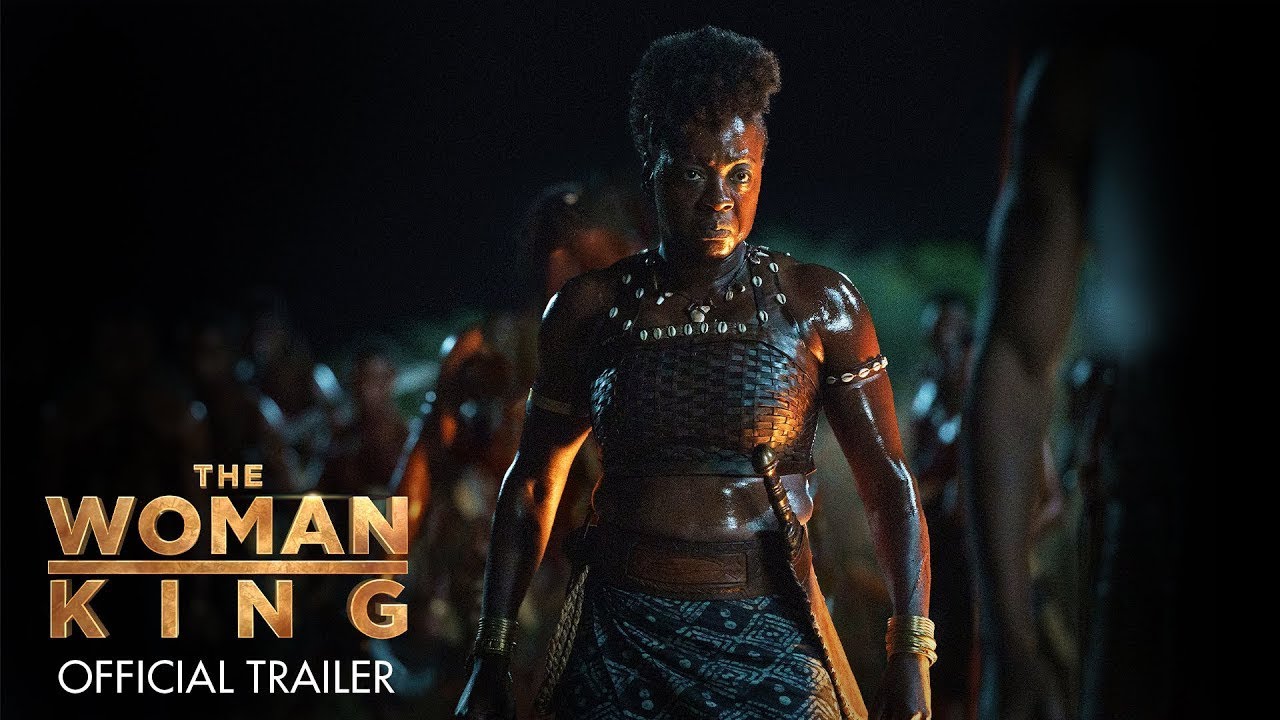
Watch movie:

*Hosted on partner site
The Woman King (2022): The Rise of Courage, the Power of Legacy
In the blazing heart of 19th-century West Africa, where empires clashed and freedom hung by a thread, a legend was born — a legend forged not by kings, but by women who refused to bow.
The Woman King (2022), directed by Gina Prince-Bythewood, storms the screen as both a historical epic and a soul-stirring call to arms. It is not merely a film — it is a resurrection of forgotten power, a roar that echoes across time.
The Kingdom of Dahomey: A Nation of Warriors
Set in the powerful Kingdom of Dahomey, the story follows the Agojie, an elite all-female army who defended their land with unmatched discipline and fearlessness.
Leading them is General Nanisca, played with breathtaking authority by Viola Davis — a woman hardened by battle yet haunted by the ghosts of her past. Under her command, the Agojie stand as both protectors and symbols of defiance in a world that sought to silence them.
When Dahomey faces new threats from colonial powers and internal betrayal, Nanisca must train a new generation of warriors, among them the spirited Nawi (Thuso Mbedu), whose fire challenges the boundaries of tradition. Together, they must fight not only for their people, but for the right to define their own destiny.
Women of Fire and Flesh
The heart of The Woman King beats through its performances.
Viola Davis delivers a tour de force — a portrayal that burns with rage, wisdom, and heartbreak. Her Nanisca is not invincible; she bleeds, she doubts, she feels — and in that, she becomes larger than life.
Thuso Mbedu, in her breakthrough role, radiates raw emotion, capturing the restless courage of youth and the pain of awakening to the world’s brutality.
Lashana Lynch brings charm and ferocity as Izogie, while Sheila Atim embodies quiet strength and grace.
Together, their sisterhood transcends the battlefield. It’s not just about killing — it’s about healing, belonging, and reclaiming worth in a system built to deny it.
A Vision of Power and Freedom
Director Gina Prince-Bythewood crafts the film with poetic precision — every frame a blend of dust, sweat, and dignity. The battle sequences are visceral yet intimate, choreographed with a raw physicality that grounds the spectacle in humanity.
The cinematography by Polly Morgan captures the golden glow of Africa — its landscapes fierce and alive, its shadows hiding both beauty and pain. The score by Terence Blanchard thunders like a heartbeat beneath the film, merging African percussion with orchestral might.
But beneath its cinematic glory lies something more profound: a political and emotional reckoning. The film confronts the scars of colonialism, the contradictions of empire, and the price of survival. It refuses to sanitize history — instead, it asks the audience to look at it head-on, and to find strength in truth.

The Legacy of the Agojie
The Woman King is not just entertainment — it is an act of remembrance. The Agojie, real women who served as the inspiration for the Dora Milaje in Black Panther, were warriors who shaped history and defied every limitation placed upon them. The film honors their legacy with respect, power, and authenticity.
As Nanisca declares, “We are the spear of our ancestors,” the words strike like thunder. This is not only her battle cry — it is the voice of every woman who ever fought to be seen, heard, and free.
Conclusion: A Reign Eternal
With The Woman King, Viola Davis and Gina Prince-Bythewood have created a film that is both epic and intimate — a triumph of storytelling that fuses history, emotion, and empowerment. It is a cinematic revolution wrapped in the body of an action epic, where every scar tells a story, and every victory feels earned.
When the dust settles and the drums fade, one truth remains unshaken:
Queens may rule the throne, but warriors make the world remember their names.