
THE WOMAN KING (2025)
November 3, 2025
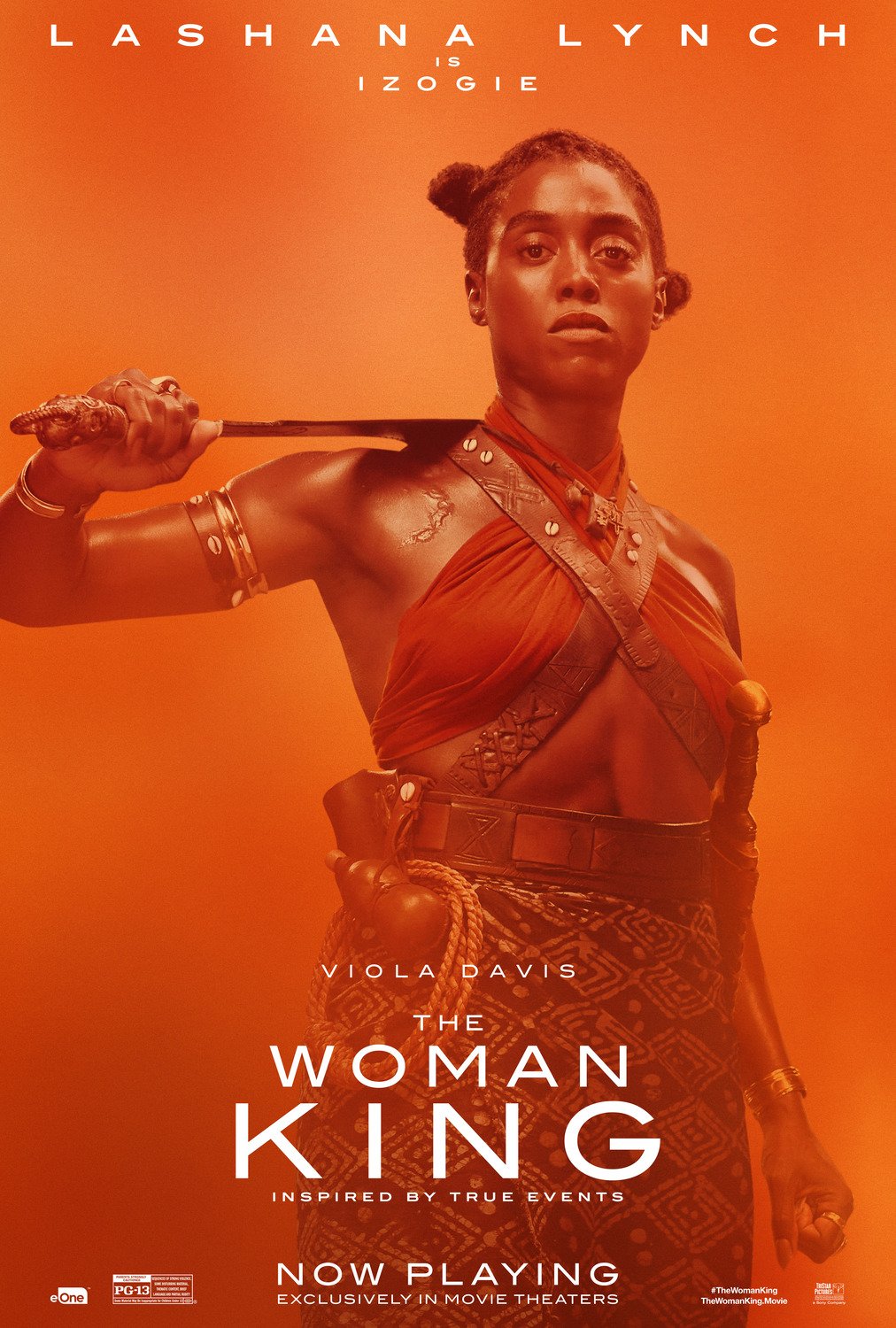
Watch movie:

*Hosted on partner site
The Woman King (2025) – Rise of the Lion Queen
When history bleeds, legends are born again.
The Woman King (2025) roars to life as the thunderous continuation of the 2022 epic that redefined the power of female heroism in cinema. The battlefield is back, the scars have deepened, and the kingdom of Dahomey must once again fight — not for glory, but for survival.
The Legacy Reforged
Directed once more by Gina Prince-Bythewood, this sequel is not just a follow-up — it’s a reckoning. Where The Woman King (2022) told the story of General Nanisca’s (Viola Davis) rise and rebellion, the 2025 chapter expands that mythos into something even grander, darker, and more emotional.
Set nearly a decade after the events of the first film, Dahomey stands at a crossroads. The slave trade has ended, but the scars remain. The world around them changes — colonial powers tighten their grip, and betrayal seeps from within. Amid the chaos, a new enemy rises: an alliance of European mercenaries and rival tribes, determined to claim the kingdom’s soul.
The film opens with Nanisca returning from exile — older, fiercer, and haunted by ghosts of war. The Agojie, her once-proud sisterhood of warriors, has fractured. Some have turned to peace; others to vengeance. Yet when the drums of war echo again, Nanisca must reunite her warriors for one final stand — not against a nation, but against history itself.
A Queen’s Burden
Viola Davis returns with a performance that transcends power — it vibrates with grief, wisdom, and flame. Nanisca is no longer just a warrior; she is a queen forged in loss. Her eyes speak of centuries of struggle, her body bears the weight of generations.
She is joined by Thuso Mbedu, reprising her role as Nawi, now a battle-hardened leader torn between the path of tradition and the need for change. Their relationship — once mentor and student — has evolved into a complex dance of love, pride, and pain.
New to the saga is Lupita Nyong’o, who portrays Esi, a mysterious strategist from a rival kingdom whose loyalty is as sharp as her blade. Her arrival challenges Nanisca’s leadership, forcing the queen to confront not only her enemies but her own legacy.
The Conflict: Blood, Empire, and Freedom
The central conflict of The Woman King (2025) is both political and spiritual. Dahomey faces the encroaching shadow of colonization — not just in armies, but in ideals. The film explores how nations can lose their soul long before losing their land.
The European forces, led by Daniel Brühl as the cunning mercenary captain Matthias Kross, bring modern warfare to an ancient world. Guns clash with spears, steel meets spirit — yet the true war lies in the hearts of the Agojie, struggling to define what freedom means when history keeps rewriting itself.
Each battle sequence is crafted not as spectacle, but as ritual. The choreography feels sacred, primal — a storm of sweat, mud, and music. Spears fly like lightning; chants echo like thunder. Prince-Bythewood films violence not as entertainment, but as poetry — every strike is a sentence in the story of survival.
Themes: Legacy, Sisterhood, and the Cost of Power
At its heart, The Woman King (2025) is about inheritance — the legacy of those who fought, and the price of those who lead. It dares to ask: when victory comes at the cost of innocence, is it still victory?
The film deepens its exploration of sisterhood. The Agojie are not flawless heroines — they are fractured souls, bound by blood and belief. Betrayal from within the ranks threatens to destroy everything Nanisca built. Yet even in their fractures, their unity shines — an anthem of resilience in the face of extinction.
It’s also a film about the burden of leadership. Nanisca’s greatest battle isn’t with swords, but with time — the slow erosion of her ideals in a world that no longer listens.
In one of the film’s most powerful moments, she whispers to Nawi:
“A kingdom is not measured by the land it holds, but by the hearts that refuse to kneel.”
That line encapsulates the film’s soul — defiance, dignity, and destiny.
The World Brought to Life
The production design elevates every frame to legend. Shot across Ghana, Benin, and South Africa, the film captures the lushness and brutality of 19th-century West Africa with staggering authenticity.
Cinematographer Polly Morgan paints Dahomey in molten golds and blood-red sunsets. The camera glides through smoke and dust, through fire and tears, always finding beauty amid devastation.
The costume design by Gersha Phillips continues to stun — armor made of woven leather, beads, and ancestral symbols. Every piece tells a story. Every stitch carries history.
Composer Terence Blanchard returns with a score that fuses African percussion, choral lament, and orchestral grandeur. The drums pulse like a heartbeat; the voices rise like prayer. In moments of silence, you can almost hear the ancestors breathing.
The Climax: The Fire of Liberation
The final act is an inferno. The siege of Dahomey unfolds with breathtaking tension — torches illuminating night battles, silhouettes of warriors framed against the burning horizon. Nanisca leads the Agojie in what feels like the final song of a dying world.
When the smoke clears, the kingdom stands — but not untouched. The victory is bittersweet. Nawi survives, but Nanisca’s fate is sealed in myth. Her final stand becomes a legend retold in whispers and songs. The last scene mirrors the first — a lone warrior standing before dawn, her spear in the sand, her shadow stretching across eternity.
As the camera rises above the battlefield, the narration returns in Nanisca’s voice:
“They will forget our names… until their daughters remember.”
Fade to black. Silence. Then the drums — soft, defiant, eternal.
A Triumph of Cinema and Spirit
The Woman King (2025) isn’t just a historical epic. It’s a resurrection of spirit — a reminder that stories of resistance, sisterhood, and sacrifice still matter.
Gina Prince-Bythewood cements her legacy as one of modern cinema’s fiercest storytellers, balancing intimacy with spectacle, truth with legend. Her film doesn’t glorify violence; it honors endurance. It’s not about victory — it’s about voice.
Final Verdict
Visceral, poetic, and profoundly human, The Woman King (2025) blazes across the screen like fire through dry grass. It is both epic and intimate, political and personal, fierce and fragile.
This isn’t just the continuation of a saga — it’s a testament to how cinema can preserve memory. It demands to be seen, to be felt, to be remembered.
When the drums stop and the credits roll, what remains isn’t just the story of Dahomey — it’s the echo of every woman who ever refused to bow.
Rating: 9/10
Genre: Historical Epic / Drama / Action
Directed by: Gina Prince-Bythewood
Starring: Viola Davis, Thuso Mbedu, Lupita Nyong’o, Daniel Brühl
Music by: Terence Blanchard
Studio: TriStar Pictures