
The Woman King (2025)
November 8, 2025
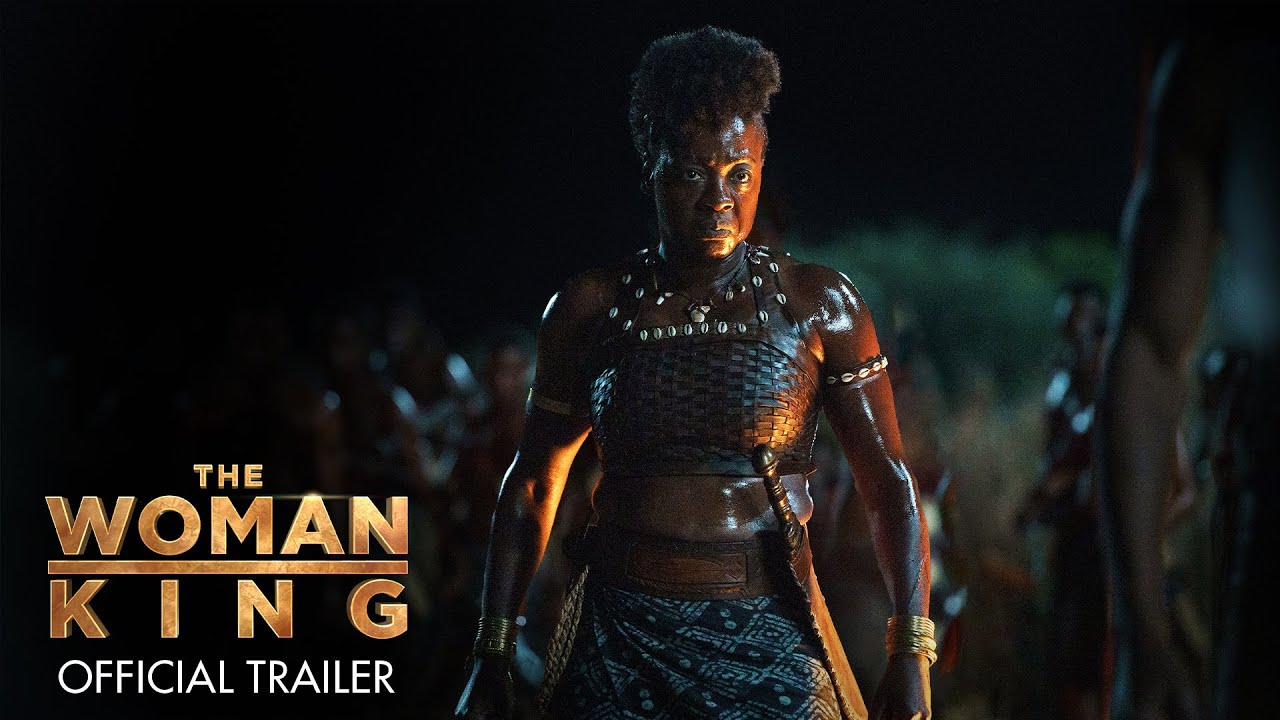
Watch movie:

*Hosted on partner site
The Woman King (2025) —
New Chapter in the Kingdom of Dahomey
Imagine the mid-19th-century Kingdom of Dahomey, in what is today Benin, as a realm perched between tradition and turmoil. In this sequel to the original story, the film opens with the once-fierce all-female warrior corps, the Agojie, in the wake of victory — but victory is only the beginning. The rust of old scars and the pressure of new threats stir. General Nanisca (portrayed again by Viola Davis) must not only defend her people, but redefine what their legacy will be.
The title “Redemption” hints at more than battle: it suggests a reckoning with history, identity, and what one owes to both self and community.
Plot and Conflict
As the narrative unfolds:
-
A fragile peace blankets Dahomey, yet beneath its surface lies a kingdom vulnerable from within and without.
-
Nanisca trains a new generation of Agojie — young women who carry the weight of their foremothers’ triumphs and failures.
-
The legacy of slavery, colonial intrusion, and internal divisions provokes the central conflict: the enemy is no longer just external; it is also the unresolved past.
-
One of the recruits, Nawi (again played by Thuso Mbedu), confronts her origins and loyalties when unresolved secrets from Dahomey’s past surface.
-
War looms anew — this time not just for land or freedom, but for redemption of the people and the ideals they once upheld.
In this way, the film moves beyond “fighting for survival” toward “fighting for meaning”.

Themes & Emotional Core
At its heart, the movie explores:
-
Empowerment and agency: The Agojie, as women warriors, reclaim roles often denied them — but the film also asks: what happens when the war outside is over, but the war within persists?
-
Memory and consequence: Dahomey’s role as a powerful African kingdom is juxtaposed with its involvement in the slave trade. The sequel confronts this legacy: victory in battle does not erase responsibility.
-
Sisterhood and legacy: Through Nanisca and her recruits, we see the weight of history passed from generation to generation — and the choice each must make: repeat the past, or redefine the future.
-
Redemption: The title frames the action. It is not just about redemption in terms of survival or vengeance, but redemption of purpose. The characters fight not only for survival but for what kind of world they will leave behind.
Visual Style & Cinematic Impact
This film’s aesthetic combines the grandeur of epic war cinema with the visceral immediacy of personal drama. Expect:
-
Vast panoramas of burning horizons and ancient forts, framed by lush West-African landscapes that root the story in a real geography.
-
Battle sequences with choreographed rhythm and weight, not merely spectacle but meaning: each clash echoes a question about identity, sacrifice, and consequence.
-
Intimate scenes of training, mourning, and mentorship — where the emotional stakes are as high as the physical ones.
-
A cinematographic ethos that refuses to gloss over the past; instead, it allows the kingdom’s beauty to sit beside its brutality.
Significance & Cultural Resonance
The film matters in multiple dimensions:
-
It centre-stages Black women as leads in an epic genre where they’ve long been marginalised.
-
It expands mainstream cinematic narratives by turning to African history, from an African perspective, exploring complexities not often depicted.
-
It invites reflection on power and legacy: not just the euphoria of winning, but the responsibility that comes after the war is done.
-
It shows that historical epics can embrace nuance: heroism and trauma, triumph and guilt, can coexist.
Anticipated Challenges & Questions
With ambition comes risk:
-
Balancing spectacle and nuance: Will the film maintain emotional depth while delivering epic scale?
-
Historical complexity: The real Dahomey did engage in the slave trade; how the film treats that legacy will shape its reception.
-
Audience expectations: Having seen the original, viewers may expect one kind of story (battle, liberation); they may get another (legacy, responsibility).
-
Market appeal: Epic action films with non-Western settings often face high production costs and uncertain global returns.
Final Thoughts
“The Woman King: Redemption (2025)” promises to be more than a sequel — it is a continuation of a story that asks: What follows after victory? What do you reclaim when you’ve taken up the sword? And what do you become when the war ends?
In the first film, the Agojie fought for their people. In this chapter, they fight for the meaning of their people. When the drums of war fade, what remains is the echo of what we chose to build.
Prepare for a journey into a past alive with both glory and shadow — swords will rise, shields will break, and hearts will endure.