
The Woman King
October 27, 2025

Watch movie:

*Hosted on partner site
THE WOMAN KING: LEGACY OF FIRE (2025) — WHEN HISTORY BURNS BRIGHTER THAN MYTH
The drums of Dahomey echo again — low, thunderous, defiant. The wind carries the scent of iron and fire, of a kingdom reborn from ashes. In 2022, The Woman King roared onto screens as a testament to courage, sisterhood, and resistance. Now, in The Woman King: Legacy of Fire (2025), the legend rises higher, fiercer, and more unyielding than ever.
The sequel begins not with triumph, but with silence — the kind that follows victory. General Nanisca (the incomparable Viola Davis) has led her warriors, the Agojie, into a fragile peace. The slave trade has waned, kingdoms are rebuilding, and Dahomey stands proud. Yet Nanisca knows peace is a mask — thin, trembling, temporary. For even as the scars of war fade, a new fire stirs beneath the soil.
Across the sea, whispers rise of foreign armies returning — not as conquerors, but as avengers. And within Dahomey itself, a new enemy brews: doubt. The young warriors, raised in an age without chains, question the old ways. Among them stands Abeni (played with raw power by Thuso Mbedu, reprising her role), now a leader in her own right. Torn between reverence for Nanisca and the need to forge her own path, she becomes both heir and challenger to the legacy that saved her.
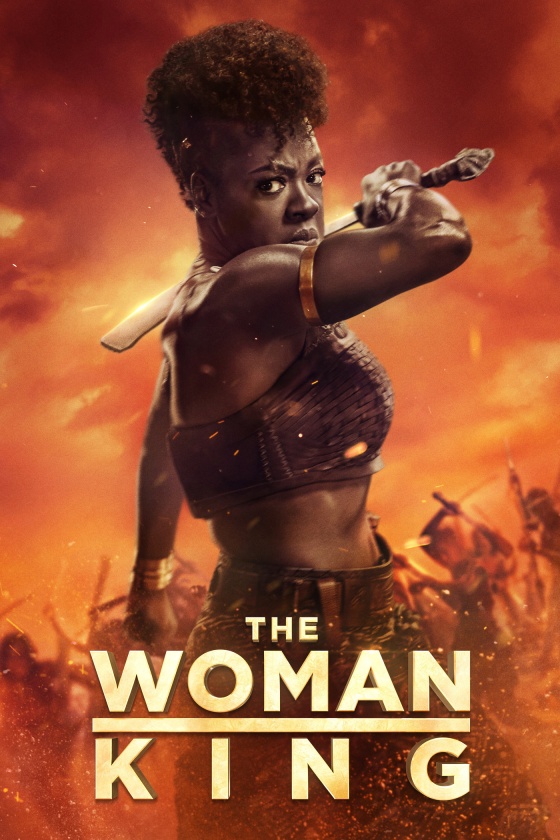
Director Gina Prince-Bythewood returns with even sharper vision — the heat of the African sun burns through every frame, the red dust of battle swirling like ghosts of memory. Her camera does not just film war; it remembers it. Spears glint like lightning; shields rise and fall in rhythm with heartbeats. And through it all, the Agojie march — warriors, mothers, daughters, unbroken.
But this time, the fight is not just for Dahomey — it is for the soul of Africa itself. The enemy comes in the form of Captain Lucien Delacroix (played by Pedro Pascal), a weary soldier haunted by the empire he serves. His presence ignites an uneasy alliance and a forbidden connection with Abeni, forcing her to confront the very beliefs she once killed for.
The film’s emotional core, however, belongs to Nanisca. Viola Davis delivers a performance carved from granite and grief — a queen torn between love for her people and the relentless march of history. Her dialogue crackles with fire: “I have buried warriors, dreams, and gods. But I will not bury our future.”
Legacy of Fire burns brighter and deeper than its predecessor — blending sweeping action with spiritual intimacy. The rituals, chants, and dances return, but they carry new weight: no longer symbols of resistance, but of rebirth. The Agojie no longer fight only for freedom — they fight to define what freedom means when the chains are gone.
The final battle is poetry in motion: a tide of women against the storm of empire. The sky bleeds red, the earth trembles beneath their feet, and Nanisca’s war cry echoes through the flames. When the dust settles, victory is not measured in blood, but in memory — in the fire that will burn long after they are gone.
As the camera fades over the plains of Dahomey, the music swells — a haunting chorus that feels like the voice of history itself, whispering across generations: “The fire is not to destroy. It is to remind.”
The Woman King: Legacy of Fire (2025) is more than a sequel. It is a promise — that the power of women, of warriors, of truth — can never be silenced, only reborn.
Because when the past burns, it does not end.
It becomes the light that guides the future.