
Titan’s Wrath (2026)
November 9, 2025
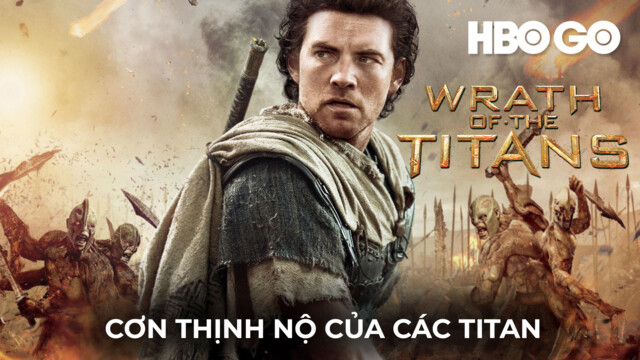
Watch movie:

*Hosted on partner site
Titan’s Wrath (2026) — When the Heavens Collide
From the depth of ancient stone to the lightning-choked sky, the war of gods and men begins again. Titan’s Wrath rises as an epic fantasy forged in thunder and ambition—a saga where immortals fall, titans awaken, and mortality becomes the greatest weapon of all.
A Warrior and a Seer, a Titan Unleashed
In the opening scenes, we meet Kael—a hardened warrior bearing scars of countless battles, yet still haunted by the ghosts of the gods. Beside him is Sira—a young seer, eyes burning with vision, bound by prophecy and peril. Their journey seems improbable: he, forged in steel and wrath; she, born of vision and flame.
Together they inadvertently awaken Aegiron—a chained titan, buried beneath molten stone and time’s forgotten page. The unleashing of this ancient force tears open a breach between realms. The sky cracks, the earth trembles, and the whispers of a second Titan Age echo in the wind.
Divine Wars & Mortal Stakes
When gods collide, worlds shatter. The divine factions, once distant and inscrutable, now march into the mortal realm with armies of ash and storm. Betrayals old as eternity are revived. Alliances shift like sand in gale winds. Mortals caught between powers must choose: fight, flee, or fall.
Kael and Sira must survive not only the titan’s fury but also the machinations of gods too proud to admit defeat. A rogue god emerges—his allegiance uncertain, his purpose deadlier than the titan’s wrath itself. In this war, victory is measured not by triumph but by survival, and the battlefield begins in the heart of man.
Themes of Power, Fate, and Redemption
At its core, Titan’s Wrath is about the fragility of power and the cost of immortality. It asks: when the gods fall, who picks up the pieces? When ancient forces awaken, what becomes of the man who bore the sword?
Kael grapples with legacy—his victories now haunt him, his strength now a burden. Sira confronts vision—what she sees may destroy more than it saves. The titan is not merely foe, but metaphor: for rage uncontrolled, for ambition unbound, for power that sleeps until humanity forgets.
The emotional weight of the story lies in its contrasts: the eternal vs the fleeting, the divine vs the human, the victim vs the hero. It explores what it takes to stand when gods wage war and the world expects you to fall.
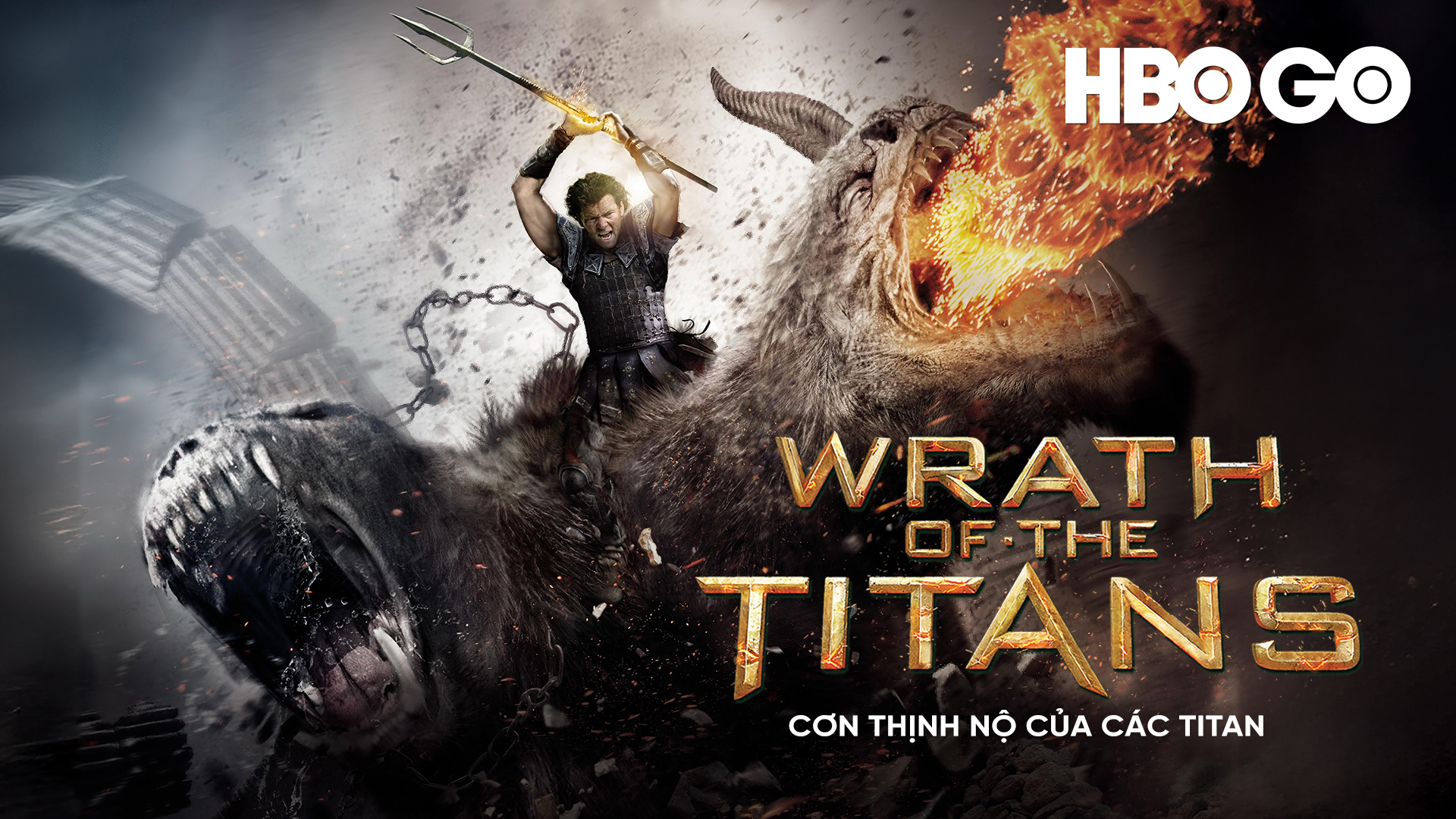
Visual Spectacle, Mythic Ambition
Visually, Titan’s Wrath promises the grandest scale yet. Volcanoes burst in twilight, titans stride across broken horizons, gods descend in thunder. Every frame is alive with myth—swords that cleave skies, armor that glows with ancient sigils, and battlefields sculpted by the rage of creation.
Action is brutal and balletic. Titans clash; mortals charge into storms. The camera moves like a god, sweeping from cosmic planes to blood-soaked trenches. The soundscape roars: drums of war, whispers of prophecy, the crack of the damned. The palette mixes quartz white, molten orange, storm-grey—every colour a symbol of ruin, resurrection, and reckoning.
Why It Matters
In a world saturated with familiar fantasy tropes, Titan’s Wrath stands out because it feels elemental. It is not just another fight between good and evil—it is the collision of cosmos and flesh. Heroes here bleed, gods here fear, power here corrodes.
For audiences yearning for spectacle with soul, for myth reborn with human cost, this film raises the bar. The mythic context is vast, yes—but the human story remains at its centre. Survival, choice, sacrifice.
Conclusion
Titan’s Wrath (2026) is not just a film—it is an event, a battle hymn echoing across realms. When the titan rises, the gods tremble. When the gods fall, the mortals stand—or they die. And Kael, Sira, and the world caught between will discover that the greatest wrath may not belong to the titan—but to those who refuse to kneel.
When the final thunder rolls and the dust settles, we will see not just the victor—but the cost of victory. Because when power awakens, everyone pays. And when wrath is unbound, only one truth remains: hope fights on, even in the shadow of the gods.